TEACHING
In the face of increasing disinformation surrounding climate change and sustainability, science literacy is a rising global challenge. To meet this challenge, I believe the value of (soil) ecological education increasingly lies in student understanding of, and appreciation for, the scientific process and its application to addressing critical agricultural and environmental issues. My vision for success as an educator is that each student who passes through my classroom or lab will enter the workforce with an interdisciplinary and global perspective on climate resilience and a collaborative spirit to develop solutions for pressing environmental challenges, particularly as they apply to drought-prone systems. My primary objectives as an educator are three-fold:
To be a trusted source of learning within a respectful learning environment;
To cultivate student understanding and appreciation for the role of soils for ecosystem function and global change; and
To coach student development of transferable knowledge and skills for their unique career goals, particularly in data analysis and communication.
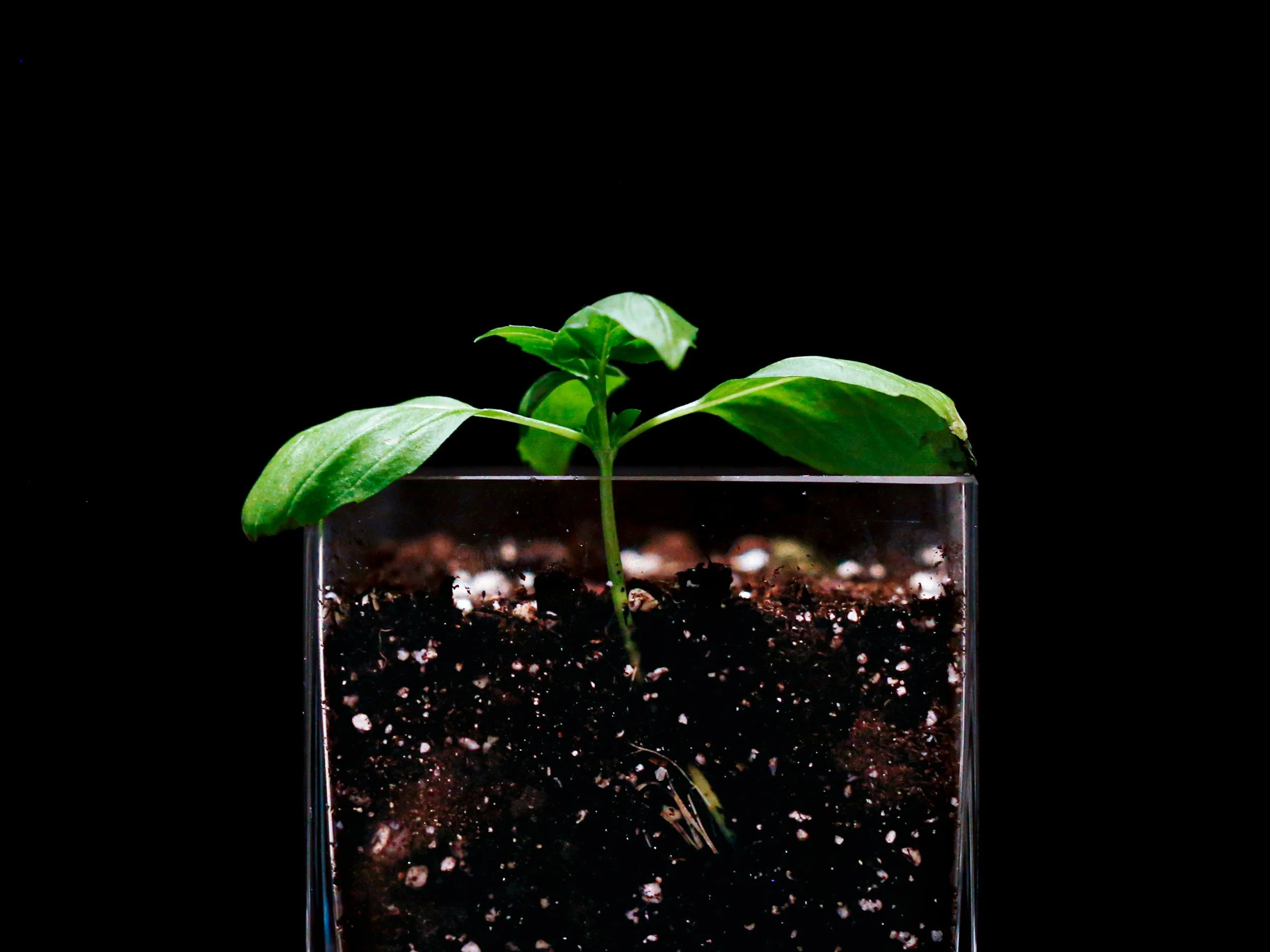
Microbial Ecology & Nutrient Cycling in Soils (AGRO 4056 / AGRO 4056G / BIOL 4256)
This course investigates the diversity and functions of soil microorganisms and their influences on terrestrial nutrient cycling. Lecture and lab components explore themes such as biological nitrogen fixation, plant nutrient availability, decomposition of organic and inorganic materials, and impacts of microbial processes on environmental quality, as well as methodologies used to examine these processes.
Soil Conservation (AGRO 3040 / EMS 3045)
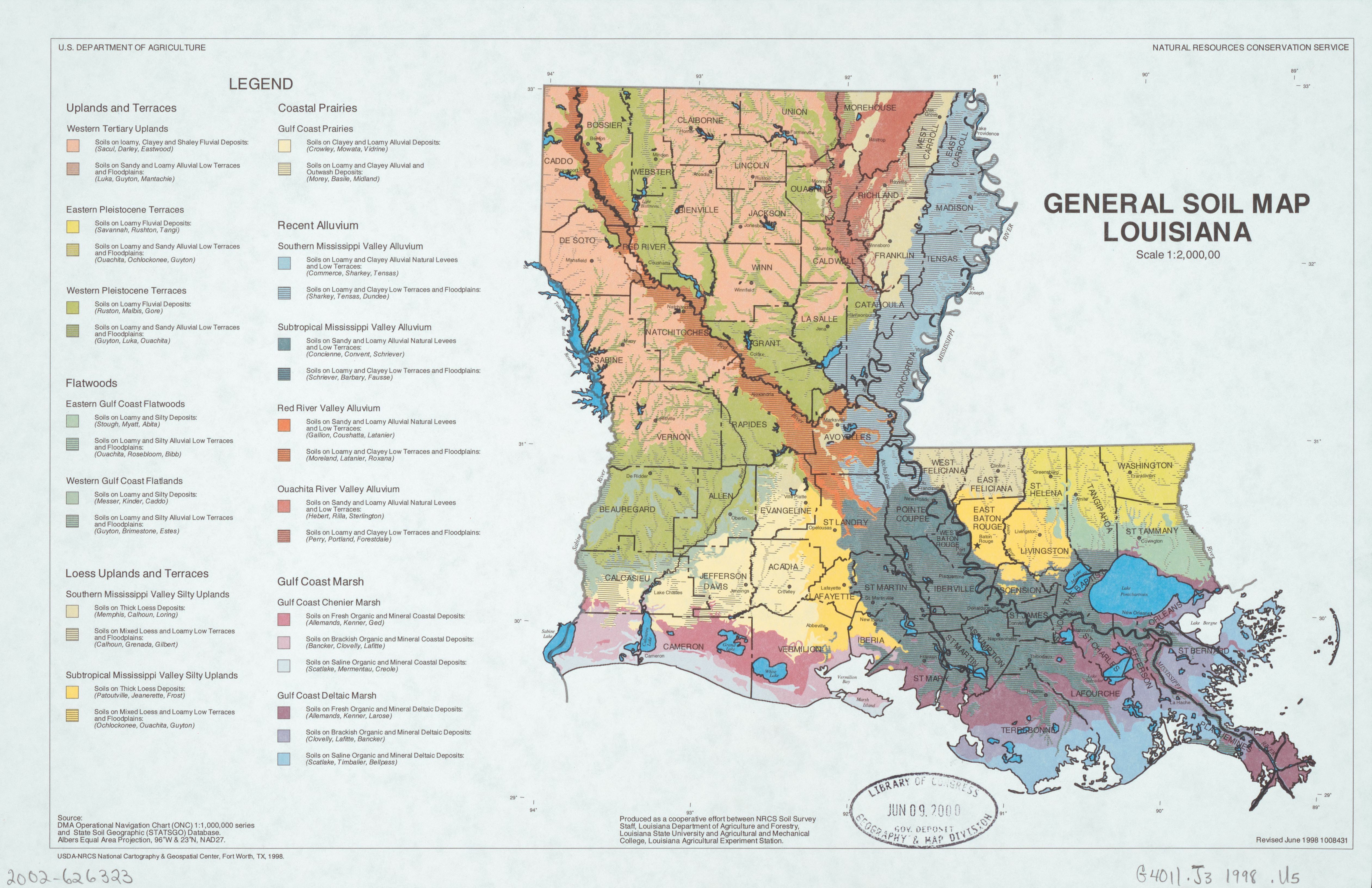
This course will explore soil conservation concepts and approaches, with emphasis on agroecosystems. Topics include causes, effects, and techniques of: soil erosion and sedimentation; soil and environmental pollution; plant-soil-water interactions; soil ecology; and soil health indicators. This course will incorporate materials from USDA National Resources Conservation Service’s “Fundamentals of Conservation and Sustainability in Agriculture” certification course. Students are encouraged to complete a certification test at the end of the course as tangible evidence of knowledge gained.
Agricultural Residential College Experience (AGRI 1500)
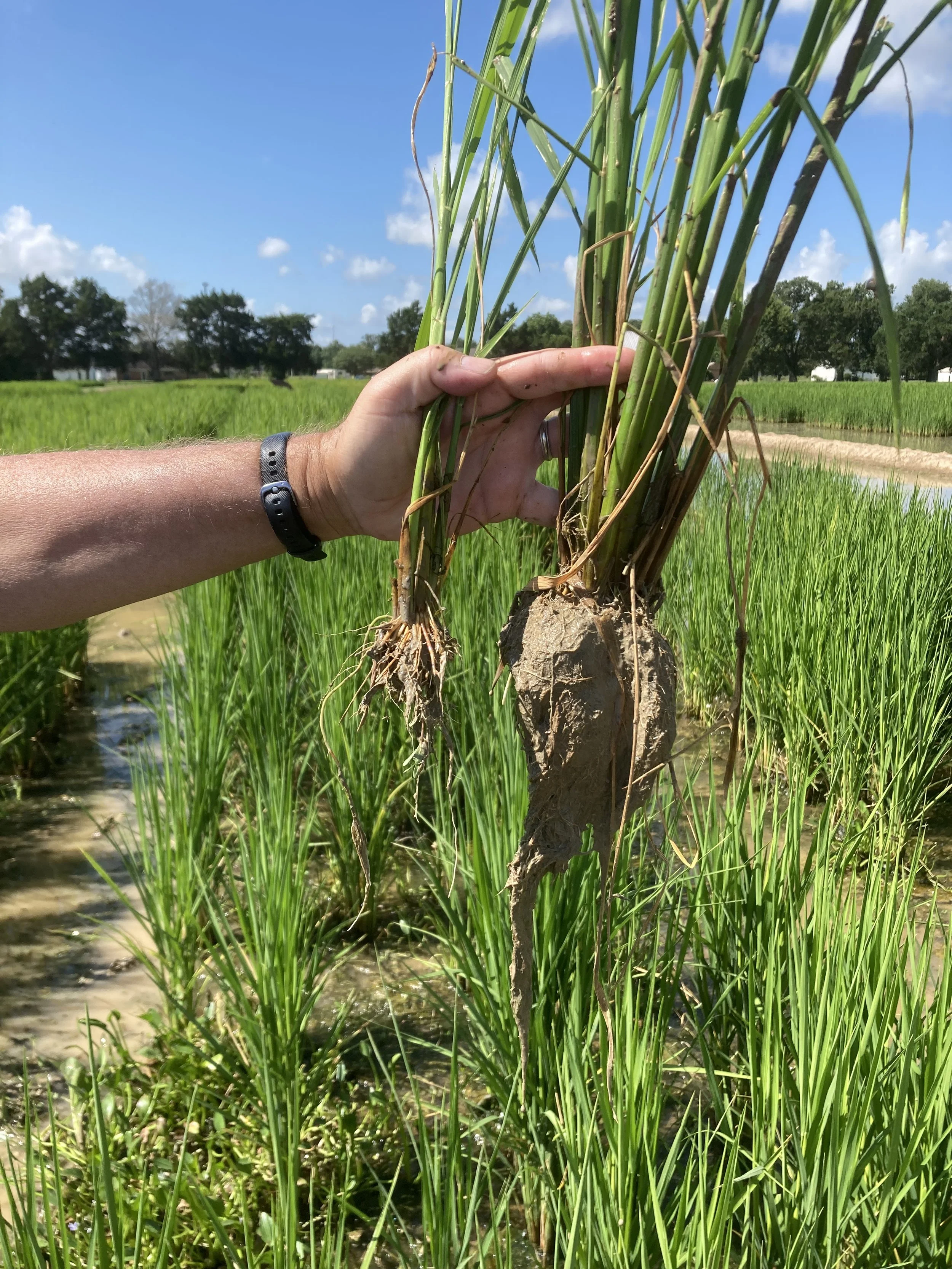
This course, taken by first-year undergraduate students in the Agricultural Residential College, consists of multiple seminars and workshops led by multiple College of Agriculture faculty targeting a diversity of agricultural concepts and applications. Seminars that I have organized as a Faculty Council Member include:
Soil health
Soil respiration
Pollinator diversity

Other teaching experiences
-
As a co-instructor and a CIRTL Postdoc Pathways Fellow at the University of Arizona, I infused case studies and simulation modeling into modules related to biogeochemical cycling, plant nutrition, and plant-soil interactions. A portfolio of my teaching experience during this fellowship can be found here.
-
In this course (GEOG 699, University of Arizona), I worked with a graduate student to characterize movement of nutrients from soil to plants in agricultural systems. Topics ranged from conceptual understanding to experimental design and data analysis, in preparation for the student’s Ph.D. candidacy exam.
-
I have presented guest lectures in these courses:
Crop Root Systems and Agricultural Productivity (HORT 8901, Louisiana State University): Root-rhizosphere interactions
Our Diverse Biosphere (GEOG 220, University of Arizona): Dispersal, Niches
Conservation Biology (BIOL 340, University of Redlands): Nutrient cycling
Spatial Analysis and Remote Sensing for Environmental Science (ENSC 175, University of California Riverside): Unmanned aerial vehicles